Auctions & Packs
How new pieces enter circulation.
New pieces enter circulation through two channels: auctions and packs. Both are priced using a Variable Rate Gradual Dutch Auction (VRGDA), a mechanism created by Paradigm. In plain terms: the more people are buying at once, the higher the price climbs. When demand slows down, the price adjusts back down. There is no hard supply cap and no fixed price.
See Paradigm: Variable Rate GDAs
Auctions
At any given time, there are four pieces available on auction. Each day, one new piece is added to the rotation and the oldest one drops off. A teaser hint is visible before a new piece arrives, indicating the base piece type (Rook, Bishop, etc.), but not which specific Pixie piece it is.
There is no set schedule for which pieces will appear or in what order. Check back daily to see what is available.
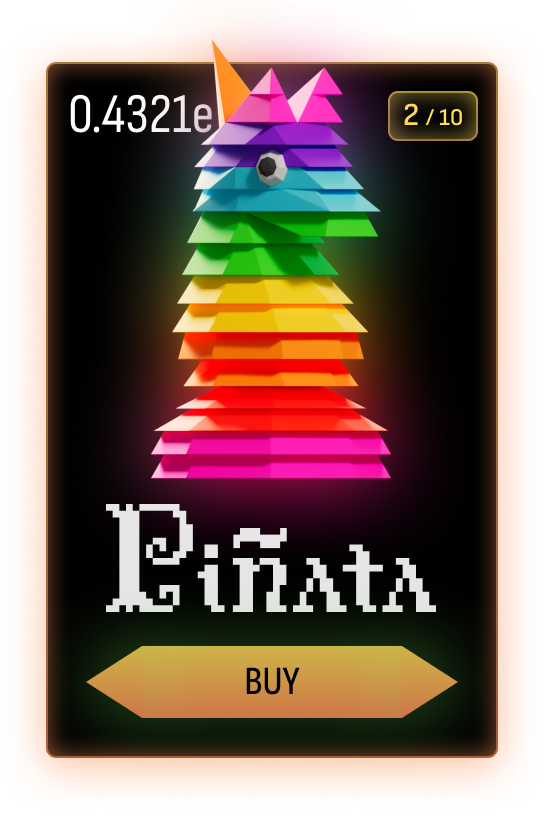
How to bid:
- Go to the Marketplace page.
- Connect your wallet and make sure you have ETH on Base.
- Find the piece you want and click buy.
- In the case of the price exceeding your slippage, the transaction will revert.
Rarity
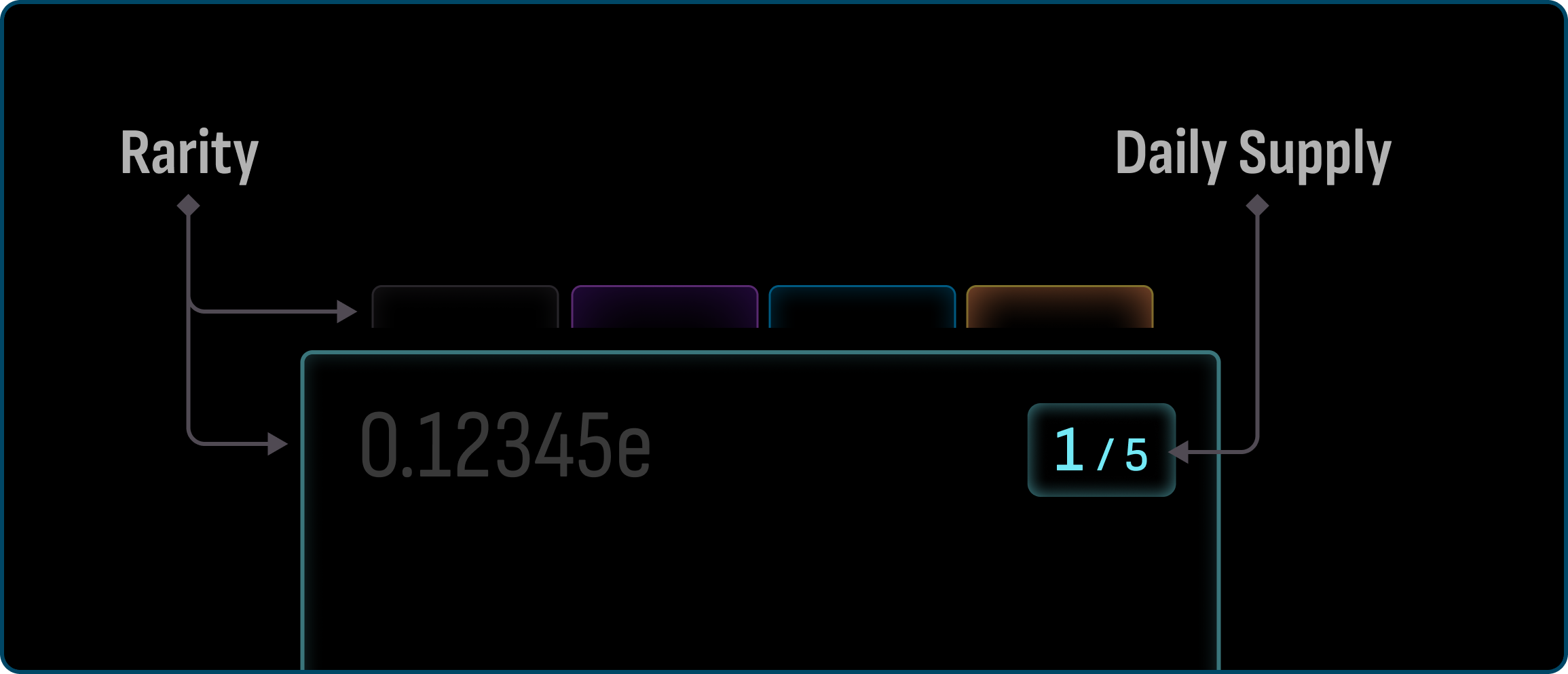
Every piece has a fixed rarity tier: Common, Rare, Epic, or Legendary. Rarity determines how many copies of that piece can ever exist, as well as how many are sold in any given daily auction.
See Pieces -> Rarity.
| Rarity | Mint Cap |
|---|---|
| Common | 1,500 |
| Rare | 1,000 |
| Epic | 750 |
| Legendary | 500 |
Auction cards display the current supply (minted / cap) and rarity color so you can see scarcity at a glance before buying.
Packs

Packs give you a single randomly selected piece drawn from the full pool of pieces currently in circulation, not just the four active in the daily auction. If the piece you want has already rotated out of the auction window, a pack is the only way to get it directly, outside of secondary markets.
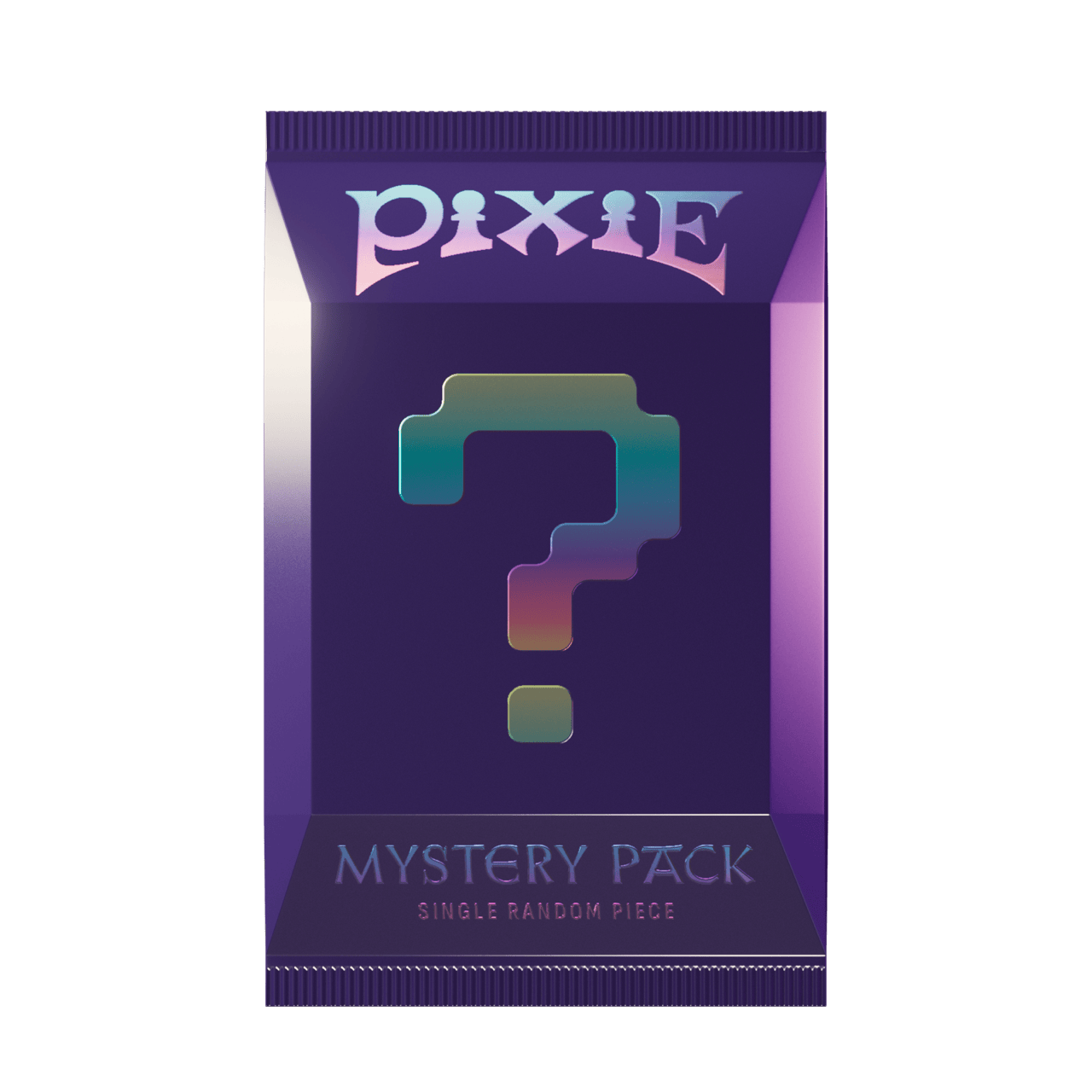
You can buy as many packs as you want. Each one is randomized independently. Packs also follow the VRGDA curve, so price adjusts with demand.
Packs contain one piece. The name can be misleading if you are used to card game packs with multiple items inside.
This documentation is in its early stages and is subject to have inconsistencies. If you find any, please let us know!